Ambient Storage Guide for Jeddah Businesses 2026
Ambient storage is the quiet workhorse of Saudi supply chains. It holds dry, shelf-stable goods at normal room conditions, without refrigeration, and it keeps costs far lower than temperature-controlled space. If you run a trading, retail or e-commerce business in Jeddah, understanding it can change how you plan stock in 2026.
This guide explains what ambient storage means, which products belong in it, what to check before signing a contract, and when you should move stock into a colder zone instead.
What Is Ambient Storage, Exactly?
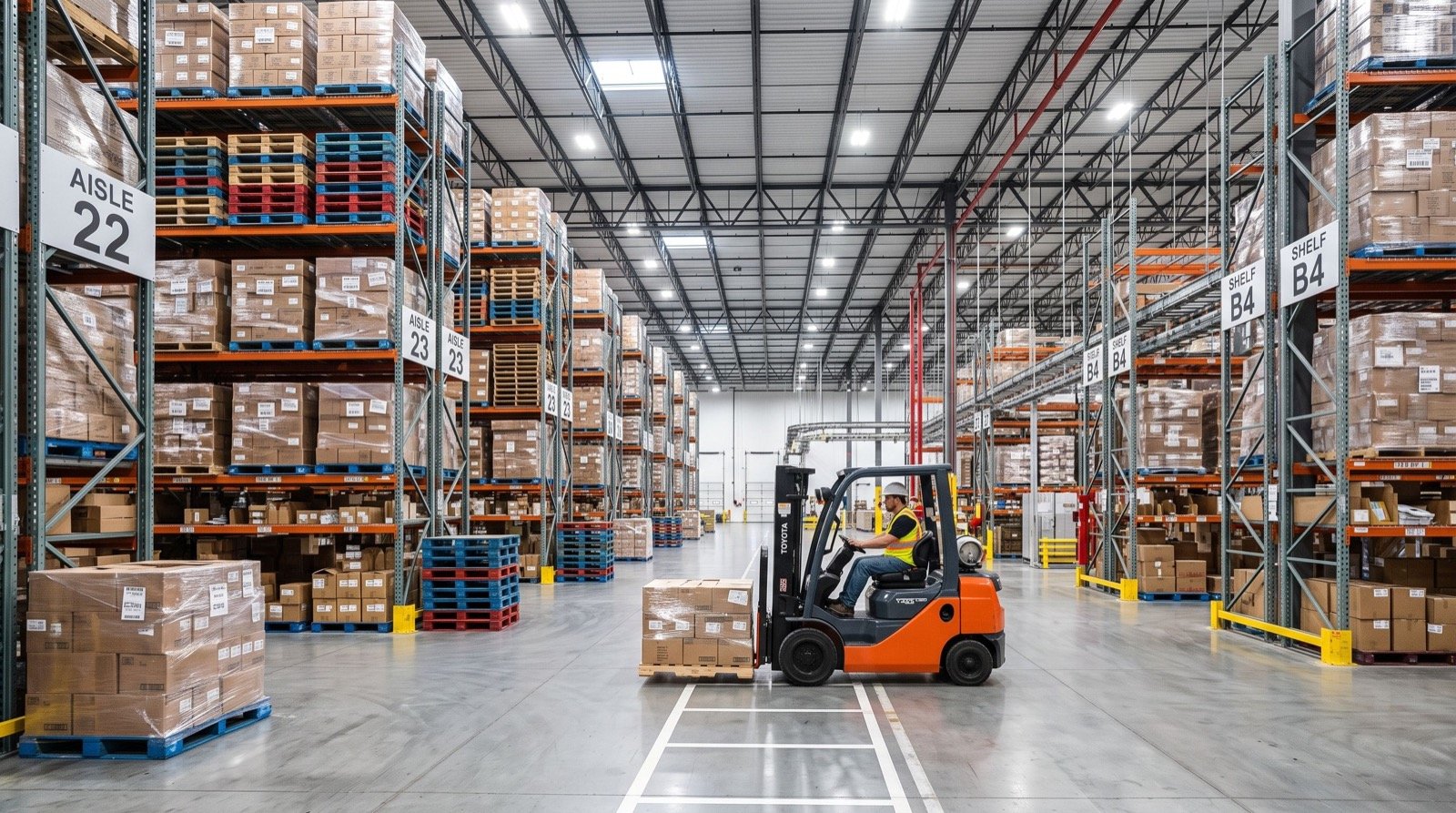
Ambient storage means keeping products in a warehouse that is not actively cooled or heated to a narrow band. In practice, good facilities still control the building. They use insulation, ventilation, shaded loading bays and humidity monitoring so that goods never see harsh swings.
Think of it as the opposite of a cold room. There is no freezer, no chiller and no special airlock. The value comes from clean racking, pest control, security and reliable inventory handling.
Typical temperature and humidity range
Most ambient warehouses aim to keep products somewhere between 15 and 25 degrees Celsius, although Red Sea coast heat makes that harder in summer. Relative humidity matters just as much on the Jeddah coast. Damp air spoils cardboard, rusts metal parts and invites mould.
Which Goods Suit Ambient Storage?
Not everything belongs in a cold room, and paying for refrigeration you do not need wastes money. These categories usually do well at ambient conditions:
- Packaged rice, flour, sugar, pasta and canned foods
- Bottled water, juices and soft drinks
- Cooking oils, spices and dry ingredients
- Household cleaning products and paper goods
- Textiles, apparel and footwear
- Spare parts, hardware and packaging materials
Always read the manufacturer label. Some foods say “store below 25 degrees,” which is a warning for the Jeddah summer, not a green light for an unventilated shed.
Why Jeddah Is a Smart Location for Dry Stock
Jeddah Islamic Port handles a large share of the Kingdom’s containerised imports. Holding inventory close to the port shortens the trip from container yard to shelf. It also reduces demurrage risk, because you can clear containers quickly and unload into a ready facility.
Road links to Makkah, Madinah and the northern corridor make regional distribution straightforward. For importers, that proximity often saves more than a cheaper but distant warehouse ever could.
Ambient Storage Compared With Other Temperature Zones
Choosing the right zone is the biggest cost decision you will make. The table below summarises the common options.
| Zone | Typical range | Best for | Relative cost |
|---|---|---|---|
| Ambient | 15 to 25 C | Dry food, apparel, parts | Lowest |
| Chilled | 0 to 5 C | Dairy, produce, deli | Medium |
| Frozen | -18 C or below | Meat, seafood, ice cream | Highest |
If part of your range needs refrigeration, you do not have to move everything. Many importers split stock, keeping dry lines in Ambient Storage and sending perishable lines to Chilled Storage in Jeddah. One provider handling both simplifies invoices and receiving.
How to Choose an Ambient Warehouse: A Checklist
Use this numbered list on your next site visit. It takes about an hour and avoids most surprises.
- Ask for a recent temperature and humidity log, not just a brochure claim.
- Inspect the roof, walls and dock seals for leaks or gaps.
- Confirm pest control is contracted and documented monthly.
- Check that racking is rated for your pallet weight.
- Review how stock is counted and how you see it in real time.
- Verify fire protection, CCTV and controlled access.
- Clarify insurance: what the operator covers and what you must cover.
A practical tip from the floor
Ask where your pallets will actually sit. Top racking levels under a metal roof can run several degrees hotter than the floor level in July. Request lower positions for heat-sensitive packaged goods, such as chocolate-coated snacks or adhesive products. It costs nothing and protects shelf life.
Understanding Costs in 2026
Pricing usually comes in three parts: a per-pallet storage rate, handling fees for inbound and outbound movement, and optional services such as labelling, kitting or returns. Negotiate each separately.
Watch for minimum pallet commitments. A flexible, pay-as-you-grow arrangement suits seasonal sellers, particularly those who peak around Ramadan and Hajj-season demand in the western region.
Planning Ambient Stock Around Seasonal Peaks
Demand in the western region is not flat. Ramadan, Umrah season, back-to-school and National Day promotions all create spikes. Build a simple calendar that shows when each product line peaks, then book extra pallet positions four to six weeks before the surge.
Reserve capacity early, because every importer is chasing the same space at the same time. A short written forecast shared with your warehouse team also helps them staff the dock on the days your containers arrive.
Three numbers worth tracking monthly
- Pallet turns: how often stock sells through and is replaced
- Damage rate: cartons or units written off per thousand handled
- Order accuracy: the percentage of orders picked and shipped correctly
Compliance and Food Safety Basics
If you store food, follow the Saudi Food and Drug Authority rules. The Saudi Food and Drug Authority publishes guidance on storage conditions, labelling and traceability. A good warehouse partner will already be familiar with these requirements and will help with audits.
Keep batch numbers and expiry dates visible, and rotate stock first-expired, first-out. Spot checks each quarter catch problems early.
Common Mistakes to Avoid
- Storing products on bare floors instead of pallets
- Ignoring humidity because the temperature looks fine
- Mixing strongly scented goods, like spices, with neutral foods
- Skipping written handover reports at receiving
- Choosing a warehouse by price per pallet alone
Businesses that work with reputable service experts often say the same thing about vendors: the cheapest quote rarely stays cheapest once hidden fees arrive. Ask for the full schedule of charges up front.
Frequently Asked Questions
What is ambient storage used for?
It holds shelf-stable goods such as dry food, beverages, apparel, paper products and spare parts at normal conditions without refrigeration.
Is ambient storage cheaper than chilled storage?
Yes. With no cooling equipment running around the clock, energy costs are far lower, so per-pallet rates are usually the lowest of any temperature zone.
Can I store food in an ambient warehouse in Jeddah?
Yes, if the food is shelf-stable and the facility meets hygiene and humidity standards. Check the label and follow SFDA guidance.
How do I know when to switch to chilled space?
If the label says refrigerate, or if products spoil, melt or lose quality in summer heat, move them to a chilled zone.
Conclusion: Plan Your Ambient Storage Early
Ambient storage is simple, economical and ideal for a wide range of products, provided the facility controls heat, humidity and pests. Audit your range, match each item to the right zone, and visit sites before you commit. Start that review now, and your 2026 stock will be better protected from the first container onward.