
Solar Panels in Peshawar: 2026 Savings & Setup Guide
With summer tariffs biting harder every year, more Khyber Pakhtunkhwa households are turning to the sun to cut their bills, and installing solar panels in Peshawar has become one of the most reliable ways to take control of energy costs in 2026. This guide breaks down the climate advantages, component choices, financing, and the net-metering steps you need to get a system running profitably.
Peshawar sits in a high-irradiation belt that sees long, bright summers and clear winter skies. That generous sunshine means a modest rooftop array can generate serious power, often covering most of a family’s daytime consumption from day one.
Why install solar panels in Peshawar now?
The economics have flipped decisively in the homeowner’s favour. Panel prices have fallen while grid electricity has grown more expensive, so the payback window is shorter than ever before.
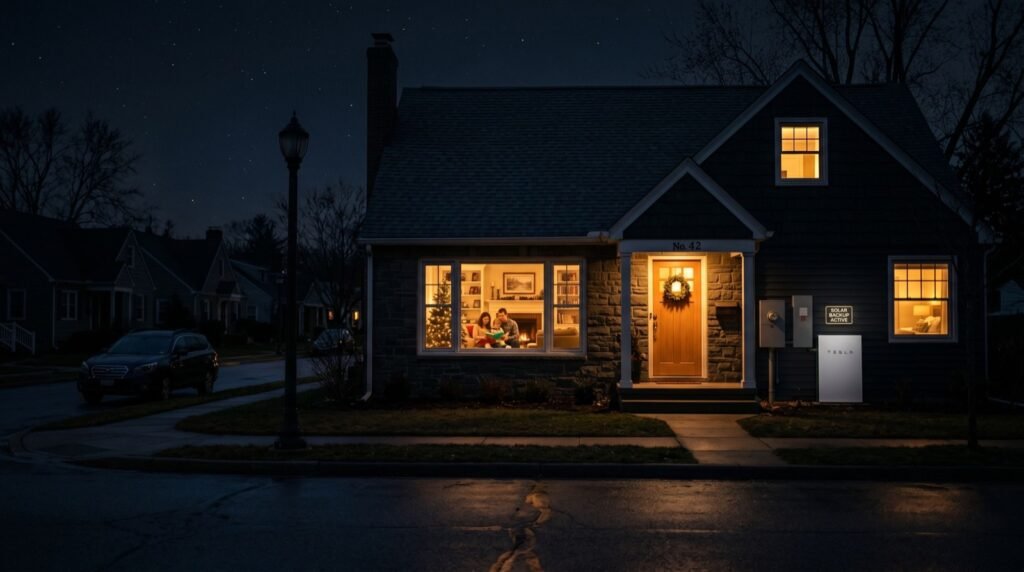
There is also a reliability angle. KP’s grid still experiences seasonal load-shedding, and a hybrid solar setup keeps fans, lights, and routers running when the supply drops. For many families that resilience is worth as much as the monthly saving.
- Immediate savings: slash the daytime portion of your bill by generating your own units.
- Outage protection: pair panels with a battery to ride out load-shedding.
- Inflation hedge: lock in your energy cost against future tariff increases.
- Clean footprint: cut household carbon emissions substantially over the system’s life.
Which solar components suit Peshawar’s climate?
Heat is the key design factor here. Summer rooftop temperatures can push past 60°C, and panel output drops as cells warm, so choosing hardware with a low temperature coefficient protects your yield.
Monocrystalline panels are the sensible default because they combine high efficiency with good heat tolerance. Pair them with a reputable string or hybrid inverter and mounting rails that lift the modules slightly off the roof to allow cooling airflow.
- Panels: tier-one monocrystalline modules rated for high-temperature performance.
- Inverter: a well-known hybrid unit if you want battery readiness.
- Mounting: corrosion-resistant aluminium rails with an airflow gap.
- Battery (optional): lithium storage sized to your essential loads.
- Protection: surge arresters and proper earthing for lightning-prone months.
How much do solar panels cost in Peshawar?
Your total depends on system size, panel quality, and whether you add storage. The 2026 ranges below help you set a realistic budget before booking a site survey.
| System size | Monthly units offset | Estimated cost (PKR) | Approx. payback |
|---|---|---|---|
| 3 kW on-grid | 350 – 450 | 550,000 – 750,000 | 4 – 5 years |
| 5 kW on-grid | 600 – 750 | 900,000 – 1,250,000 | 4 – 5 years |
| 8 kW hybrid + battery | 950 – 1,150 | 2,100,000 – 2,800,000 | 6 – 8 years |
| 12 kW commercial | 1,400 – 1,700 | 2,300,000 – 3,100,000 | 4 – 5 years |
Ask each vendor whether the figure includes wiring, mounting, net-metering processing, and annual servicing. A clear, itemised quote is the mark of a trustworthy installer.
Net metering: turning your roof into a mini power plant
Net metering allows you to export surplus daytime generation to the PESCO grid and draw it back at night, effectively using the grid as a free battery. The national framework is overseen by the regulator, and renewable deployment is supported by the Alternative Energy Development Board, which publishes policy and capacity data for Pakistan.
The practical steps are a feasibility assessment, installation of a bidirectional meter, and a net-metering agreement with your distribution company. A seasoned installer handles the documentation so approval does not stall your savings.
Households that want the process managed from survey to sign-off usually hire reliable local experts who understand PESCO’s requirements and can troubleshoot meter delays.
Maintaining output through dusty seasons
Peshawar’s dry spells and dust leave a film on panels that can quietly cut generation by a tenth or more. A light cleaning routine restores that lost output cheaply.
- Rinse panels with clean water every three to five weeks in dry months.
- Avoid abrasive brushes that scratch the protective glass.
- Watch the inverter readout for sudden drops that signal a fault.
- Schedule an annual professional check of wiring and connectors.
- Track daily yield via the monitoring app to catch issues early.
Because quality systems are modular, you can add panels later if your consumption grows. Flag any future plans, such as an electric vehicle or a new floor, so your installer leaves room to expand.
Financing your switch to solar
The upfront cost is the main hurdle for many families, but it no longer has to be paid in one go. Several banks now offer dedicated solar financing that spreads the investment over three to five years.
Structured well, the monthly repayment sits close to the electricity bill you are eliminating, so you are effectively swapping a rising cost for a fixed one that ends in a fully owned asset. Compare markup rates and tenures carefully before signing any financing agreement.
- Check whether the installer has a tie-up with a bank for faster approval.
- Compare the total markup, not just the headline monthly figure.
- Confirm there is no penalty for early settlement if your savings let you clear it sooner.
- Keep ownership documents so you can claim net-metering credit in your name.
Lessons that apply across the capital region too
The same fundamentals that make Peshawar rooftops profitable hold true elsewhere in the country. Homeowners arranging a solar installation in Islamabad face identical questions about sizing, heat tolerance, and net metering. Wherever you live, prioritise genuine tier-one panels, a dependable inverter, and a written performance warranty over the cheapest headline price.
Frequently Asked Questions
How many solar panels do I need for a Peshawar home?
It depends on consumption, but a typical family using 500-700 units a month fits a 5 kW system of roughly ten to twelve panels. Review a full year of bills so your installer can size for seasonal peaks.
Do solar panels handle Peshawar’s summer heat?
Yes, though extreme heat slightly reduces efficiency. Choosing panels with a low temperature coefficient and mounting them with an airflow gap keeps losses minimal, and the long sunny days more than compensate.
Can I run air conditioners on solar?
You can, provided the system is sized for it. Air conditioning is a heavy daytime load, so an 8-10 kW array, or a hybrid system with a battery, is usually needed to run multiple units comfortably.
How soon will I recover my investment?
Most on-grid systems in Peshawar pay back within four to five years thanks to high sunshine and rising tariffs. After that, you enjoy largely free electricity for the remaining two decades of panel life.
Final thoughts
Clean, affordable power is well within reach for KP households in 2026. By choosing heat-tolerant hardware, sizing the array to your real consumption, and completing net metering properly, solar panels in Peshawar deliver fast payback and lasting energy security. Study your bills, compare itemised quotes, and work with an experienced local team so your rooftop starts earning its keep from the very first bright morning.